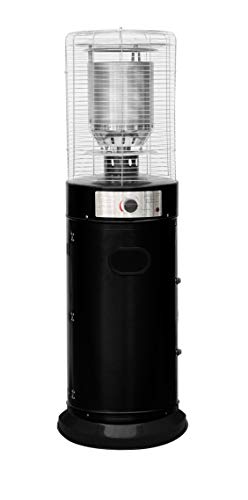
Understanding Gas Heaters: A Comprehensive Guide
Gas heaters are an important component of lots of families, offering heat and convenience during the colder months. With various kinds of gas heaters readily available, understanding their functioning, advantages, and precaution is vital for users. This article provides a helpful introduction of gas heaters, how they work, and addresses often asked questions on the subject.
Understanding Gas Heaters
Gas heaters run by burning natural gas or propane to produce heat. They are used to warm indoor spaces and are often thought about more efficient than electric heaters. The primary kinds of gas heaters include:
Types of Gas Heaters
| Type | Description |
|---|---|
| Natural Gas | Linked to a gas line and offers continuous heat supply. |
| Propane | Utilizes propane tanks, making it appropriate for locations without gas lines. |
| Unvented | Burns gas without a vent system, appropriate for well-ventilated areas. |
| Vented | Expels combustion gases outside, ideal for keeping indoor air quality. |
Each type has its unique advantages and applications, making them suitable for various environments and choices.
How Gas Heaters Work
Gas heaters generally make use of a combination of burners, heat exchangers, and blowers to distribute heat efficiently. The process normally involves:
- Ignition: Natural gas or propane is sparked either via a pilot burner or an electronic ignition system.
- Combustion: The gas burns, creating heat which is then moved to a heat exchanger.
- Heat Distribution: A blower or fan distributes the heated air throughout the space, producing a comfy environment.
- Exhaust: In vented systems, exhaust gases are expelled outside, maintaining safety and preventing hazardous buildup inside your home.
Benefits of Gas Heaters
Gas heaters use different advantages that make them a popular option for heating areas. Some of the crucial benefits include:
- Energy Efficiency: Gas heaters typically provide more heat per unit of fuel compared to electric heaters, making them a cost-effective heating choice.
- Rapid Heating: They warm up areas quickly, supplying immediate heat when turned on.
- Ecologically Friendly: Natural gas is cleaner than coal and is considered a more ecologically friendly option than electric heating in numerous areas.
- Reliability: Gas heaters can continue to operate throughout power interruptions, ensuring ongoing comfort throughout serious weather.
Drawbacks of Gas Heaters
While gas heaters have many advantages, there are likewise some downsides to consider:
- Installation Cost: The preliminary setup expense for gas lines or propane tanks can be high.
- Security Risks: There are fundamental threats related to gas leaks and carbon monoxide gas poisoning, requiring cautious installation and upkeep.
- Space Requirements: Some kinds of gas heaters (specifically vented ones) need significant space for installation and exhaust systems.
Maintenance Tips for Gas Heaters
Appropriate upkeep is vital for ensuring the security and performance of gas heaters. The following tips can help keep optimum performance:
- Annual Inspections: Have a certified service technician check the gas heater every year to inspect for leaks and make sure correct functionality.
- Clean the Heater: Regularly tidy the heater and surrounding location to prevent dust accumulation, which can affect performance.
- Inspect Vents: Ensure that all vents are unobstructed and operating correctly to avoid accumulation of harmful gases.
- Monitor for Smells: Any uncommon odor, particularly gas, must be resolved right away by getting in touch with an expert.
Frequently Asked Questions about Gas Heaters
Q1: Are gas heaters safe to use inside your home?
Yes, gas heaters can be safe for indoor usage as long as they are correctly set up and kept. Vented gas heaters are particularly safe because they expel combustion gases outside, lowering the threat of carbon monoxide gas poisoning.
Q2: How can I inform if my gas heater has a gas leak?
Signs of a gas leak consist of a nasty smell resembling rotten eggs, hissing sounds, and dead plant life around the location. If you suspect a gas leak, it is crucial to leave the properties instantly and contact your gas provider.
Q3: Do gas heaters require a source of power?
Many gas heaters do not need electricity to operate, particularly those that rely on gas. However, Outdoor Heating Products with fans or electronic ignition systems will need a power supply.
Q4: What should I do if I smell gas near my heater?
If you smell gas, you ought to immediately leave the area, prevent utilizing any electrical devices, and call your gas service provider or emergency services from a safe distance.
Q5: What is the lifespan of a gas heater?
Typically, gas heaters have a life expectancy of 10 to 15 years with appropriate maintenance. Routine examinations can assist extend their operational life.
Gas heaters can be an efficient and reliable way to keep homes warm and comfy during cold weather months. Their numerous designs and advantages cater to various needs and preferences. Nevertheless, understanding their performance, prospective safety issues, and maintenance requirements is crucial for any property owner considering or currently utilizing gas heating. By following best practices and staying informed, users can delight in the heat and performance of gas heaters for several years to come.